
Final Girl Companion
Van Ryder GamesBoard
4.621.00 Reviews
- Version
- 1.3.0
- Installs
- 10.00K
- Age Rating
- Teen
Screenshots

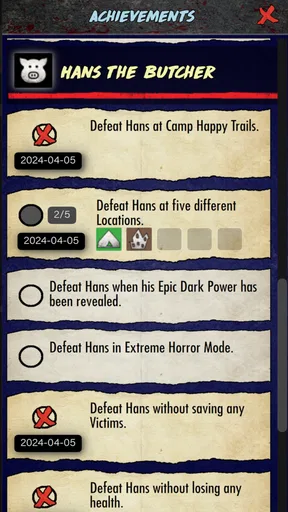
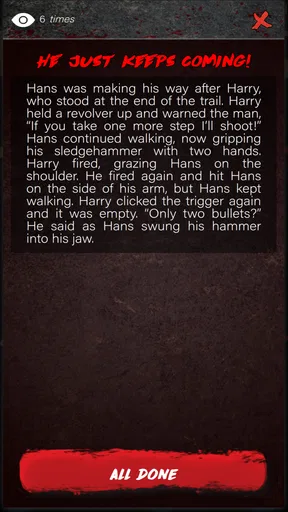
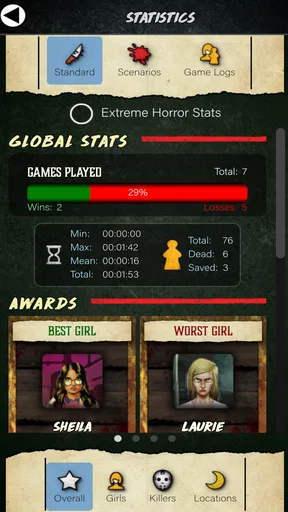
Our Review of Final Girl Companion
 Analysis by Appyee
Final Girl Companion is the kind of board-game app I would install for one specific reason: it helps support a physical game of Final Girl without trying to replace the table, the cards, or the decisions that make the experience memorable. I spent time looking at it as a companion rather than as a standalone mobile game, and that distinction matters. If you are hoping to play a complete board game on your phone, this is not the right expectation. If you already enjoy Final Girl and want a more convenient way to manage part of the experience, its focused design makes much more sense.
The app comes from Van Ryder Games, the same developer associated with the Final Girl board-game experience. It sits in the board category, carries a Teen content rating, and costs $2.99, with optional in-app purchases priced from $1.99 to $3.99 per item. Its store summary calls it a companion app, and that is exactly the lens I would use before downloading it. The value is not in endless mobile entertainment; it is in reducing some of the practical friction around a particular tabletop game.
What stood out to me is how a narrow companion tool can change the rhythm of a physical session. A board game often asks players to keep several things visible, remember what has happened, and move between cards, tokens, boards, and reference material. A phone cannot make those decisions for you, and it should not. What it can do is give the session a dedicated digital support point, which is useful when the table is already busy.
The capability that matters: supporting a physical Final Girl session
The central capability is simple but meaningful: Final Girl Companion is built to accompany the board game rather than compete with it. That means the app is most useful when your physical setup is already on the table and you want a digital aid alongside it. I found that this focus makes the app easier to judge than a typical board-game adaptation. You are not choosing between a full digital port and a cardboard version. You are deciding whether a small mobile helper earns a place beside your tabletop components.
That distinction also explains why the app may feel limited to someone who does not own Final Girl. A normal board-game app can sometimes offer a complete solo experience, a tutorial, or a self-contained rules system. A companion app has a different job. It supports the board game’s flow, so its usefulness depends heavily on whether you already have the physical product and actually play it.
In my experience, the strongest reason to use a tool like this is concentration. Final Girl is a solo-focused horror board game, and solo play already asks you to handle every side of the session yourself. You make the protagonist’s choices, manage the opposing forces, resolve effects, and keep track of the changing situation. A companion can be valuable when it lets you keep your attention on the dramatic decisions instead of repeatedly stopping to organize the supporting details.
I would not describe the app as a replacement for learning the game. It is better treated as part of a familiar workflow. Before using it, I would still recommend understanding the physical game’s rules and preparing the table normally. Once you know what a turn is asking you to do, a companion becomes much easier to appreciate because you can immediately see where it saves effort and where it does not.
Why the focused approach works better than a generic board-game app
Many mobile board-game adaptations try to reproduce the entire table digitally. That can be convenient, but it also changes the feel of play. A full adaptation may automate every calculation and hide the physical components behind menus. Final Girl Companion takes the opposite route. Its appeal comes from leaving the main tactile experience in place while giving the player an additional digital reference point.
That is a better match for players who enjoy handling cards and pieces but dislike the small interruptions that come with solo administration. It is also a more honest proposition than pretending a phone screen can recreate the atmosphere of a horror board game in exactly the same way. I would choose this approach when my priority is keeping the physical game’s presence while making the session easier to manage.
The trade-off is obvious: the app cannot provide the complete convenience of an all-digital version. You still need the board game, the table space, and the willingness to move between the phone and the physical setup. If your ideal experience is one where the app handles setup, rules, bookkeeping, and resolution from beginning to end, a full digital adaptation would be a better fit when available. This companion is for a different kind of player.
How it fits into an actual play session
I would use the app before the first turn, not only when something goes wrong. Starting it early gives the phone a clear role in the session instead of making it an emergency reference tool. I would place it beside the board where I could glance at it without covering cards or reaching across the play area. That small choice matters in solo play, because constantly picking up and unlocking a phone can become its own distraction.
A practical routine is to prepare the physical game first, then open the companion and use it as the digital part of the setup. After that, I would keep the board state visible and treat the phone as a supporting station. When a question comes up, I would check the app at a natural pause rather than interrupting every action. This keeps the game’s momentum intact and prevents the companion from becoming a second game to operate.
One useful insight is that the app works best when you decide in advance what you want it to handle. If you use it without a plan, you may end up switching between the phone and the table more often than necessary. If you assign it a clear role, the interaction feels more deliberate. For example, I would use the app during preparation and resolution points, then return my attention to the physical board for the actual tactical choices.
This is especially helpful in a solo session after a long day. Imagine setting up Final Girl in the evening, with the board, cards, and tokens spread across a small table. You have enough energy to play, but not enough patience to repeatedly stop and check a reference or keep every supporting detail in your head. The companion can make that session feel less like administrative work. It does not make the game easier, but it can make the route from setup to decision more comfortable.
Another practical tip is to keep the phone’s position consistent from session to session. That sounds minor, but a stable layout reduces the mental cost of using a companion. When the screen is always on the same side of the board, you know where to look and are less likely to disturb the physical arrangement. For a game built around tension and changing information, preserving a clean table is more important than it first appears.
What I would do when the app is not enough
A companion should not become the only place where you understand the game. If I were teaching Final Girl to someone else, I would explain the physical components and the core sequence first. I would then introduce the app as a convenience, not as a requirement for understanding what is happening. That approach protects the session if the phone is unavailable, the battery is low, or another player wants to check something directly on the table.
I would also avoid assuming that every uncertainty belongs in the app. Sometimes the fastest solution is still the physical rulebook or the card currently in front of you. Moving to a phone for every small question can slow the game down. The best workflow is selective: use the companion where it genuinely reduces friction, and use the original components where they are already clearer.
That balance is one of the app’s less obvious lessons. Digital support is not automatically better simply because it is digital. Its value depends on whether it shortens a process without adding another layer of attention. In my view, Final Girl Companion succeeds when it stays in the background. If I am thinking about operating the app more than I am thinking about my next move, I am using it badly or asking it to do a job it was not designed to do.
The best scenario for using it
The clearest use case is a regular solo player who owns Final Girl and wants a smoother repeatable routine. This person already understands the tabletop experience and does not need a complete digital conversion. They want to sit down, prepare the session, and keep the game moving without carrying every support detail mentally. For that player, a dedicated companion is more useful than a general notes app because it belongs to the same game and can be opened with a specific purpose.
I can also see value for someone who plays in a small space. A crowded table makes every extra reference sheet awkward, and a phone can occupy less room than another open book or stack of notes. That does not eliminate the need for the physical components, but it can help keep the central play area readable. The benefit is not dramatic on its own; it becomes noticeable over several sessions when small annoyances start to accumulate.
It may also suit players who like a consistent pre-game ritual. I enjoy tools that make a recurring hobby easier to start, especially when the main obstacle is preparation rather than interest. Opening the companion can become part of the sequence: clear the table, arrange the game, start the app, and begin. That kind of routine is valuable for a solo game because there is no group waiting to create momentum for you.
However, I would skip it if I did not own the physical game. The app’s identity is too closely tied to Final Girl for me to recommend it as a general board-game pastime. I would also skip it if I wanted an app that could replace cards, tokens, and the board. The phone is not the whole experience here, and buying it with the wrong expectation would lead to disappointment.
When another option is better
If your priority is learning the game from scratch, the physical rules and a calm first setup may be more valuable than immediately adding a companion. New players often need to understand why a choice matters, not merely where to find supporting information. I would first learn the basic flow without trying to optimize every step, then decide whether the app solves a recurring problem.
If your priority is portability, the answer depends on what you mean by portable. The app itself is easy to carry, but it does not turn Final Girl into a phone-only game. You still need the tabletop game and enough room to use it. A fully digital board game would be more suitable for travel if your goal is to play without carrying physical components.
If you play with people who dislike phones at the table, the companion may also be a poor fit. Even when it is used responsibly, a screen can make a tabletop session feel less social or less focused. Final Girl’s solo nature reduces that concern, but it does not remove it entirely if you are sharing the space with someone else. I would discuss that preference before making the app part of a shared routine.
Trade-offs, cost, and everyday friction
The purchase price is $2.99, and optional items cost between $1.99 and $3.99 each. I see that as a decision about frequency rather than a simple bargain judgment. If I play Final Girl regularly, a small companion purchase can feel reasonable because I will use it repeatedly. If I only bring the board game out once in a while, I would think more carefully about whether the convenience justifies another app on my phone.
The app has an average rating of 4.6 from around a hundred ratings, with a couple dozen written reviews. That gives me a positive first impression, but I would not treat the rating as a substitute for matching the app to my needs. A companion can be well received by its intended audience and still be unnecessary for someone who rarely plays the physical game. The important question is whether its focused role fits your own table habits.
It was released on April 6, 2024, and the current version is 1.3.0. It supports devices running OS 9 or later. Those details make it easier to decide whether the app belongs on an older device, but I would still check the store page on the phone I plan to use before purchasing. A companion is most useful when it is available during the session, so compatibility and dependable access matter more here than they might for a casual game.
One trade-off I noticed is attention management. A phone brings notifications, messages, and other distractions into a hobby that may be more enjoyable when separated from daily life. I would use a focus mode or silence notifications before starting a session. That is not a feature claim about the app; it is a practical habit that protects the experience. The companion can reduce tabletop friction while the device itself introduces digital friction if left unmanaged.
Another trade-off is the difference between convenience and transparency. Physical components let you see the state of the game at a glance. A digital companion may organize support more neatly, but you have to look away from the board to consult it. I would not use the app for information that needs to remain constantly visible unless the screen genuinely makes that easier. The best use is for material that benefits from being gathered in one place without covering the table.
There is also a social trade-off even in a solo game. If someone is watching you play, a phone screen can make the session harder to follow. I would explain what I am checking and keep the device angled so the physical board remains the focus. That small bit of communication helps the companion feel like part of the game rather than a private screen interrupting it.
Who gains the most from this companion
The biggest beneficiaries are established Final Girl players who want repetition to feel smoother. They are likely to understand the game’s physical identity and appreciate a tool that supports it without converting everything into menus. For them, the app can become a quiet part of the setup and resolution routine. Its strength is cumulative: one saved pause may not seem important, but removing several small interruptions from every session can change how willing you are to play.
It is also a good match for players who enjoy solo board games but dislike administrative overhead. Some people love tracking every state change; others want the decisions and atmosphere without constantly managing supporting material. If you are in the second group, the companion deserves consideration. I would still learn the game properly first, because convenience works best after the underlying flow is familiar.
Players with limited table space may gain more than players with large dedicated gaming rooms. On a small surface, every reference item competes with the board and components. A phone can provide a compact support area, provided it does not require constant handling. I would place it where it is visible but not in the way, and I would avoid stacking the session with extra accessories that defeat the space-saving benefit.
The app is less compelling for people who want a broad collection of mobile board games, a multiplayer phone experience, or a complete replacement for Final Girl. It is also not the first thing I would recommend to a newcomer who has not decided whether they enjoy the physical game. The companion’s value grows after the main game has already earned a place in your routine.
For me, the deciding factor is whether I want to preserve the physical Final Girl experience while making its supporting workflow less awkward. If the answer is yes, the focused design is a strength. If I want a self-contained digital game, it becomes a limitation. That is the most important trade-off to understand before spending money: the app adds convenience around the board game, but it does not replace the board game itself.
My recommendation after using it as a tabletop aid
Final Girl Companion is a specialized board-game tool, and I think it should be judged on that narrow purpose. Van Ryder Games has positioned it for players who want support during Final Girl sessions, not for people searching for a general mobile game. The Teen rating is appropriate for the game’s horror-oriented identity, while the modest install base of over ten thousand suggests a focused audience rather than a mass-market app. That is not a weakness by itself; it reflects how specific the product is.
I would recommend it to someone who already owns Final Girl, plays often enough to notice setup and reference friction, and is comfortable keeping a phone beside a physical game. I would be more cautious for an occasional player, a person with no physical copy, or anyone who strongly prefers a phone-free tabletop experience. In those cases, the app may add cost or distraction without solving a real problem.
My final view is positive but deliberately limited. The companion’s best achievement is not turning Final Girl into something else. It is helping the original game remain the center of attention while giving the player a dedicated digital support option. Used with a clear routine, a tidy table, and muted notifications, it can make solo sessions easier to start and less interrupted. Used as a substitute for the physical game, it will feel incomplete.
That makes the purchase straightforward for the right person. If Final Girl is already a regular part of your gaming life, the $2.99 entry point is reasonable to consider, especially when the app’s focused role matches the way you play. If you are only curious about the board game or want a complete mobile adaptation, I would spend that money elsewhere. For existing fans who want a practical companion rather than another generic game, this is a useful addition that knows what it is trying to do.
Verdict
Strengths of Final Girl Companion
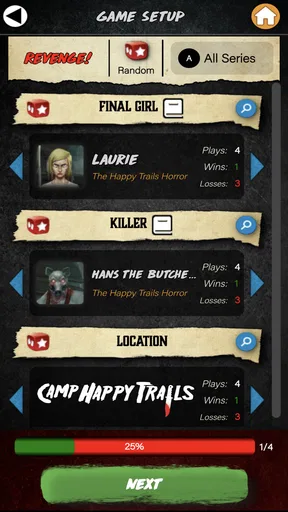
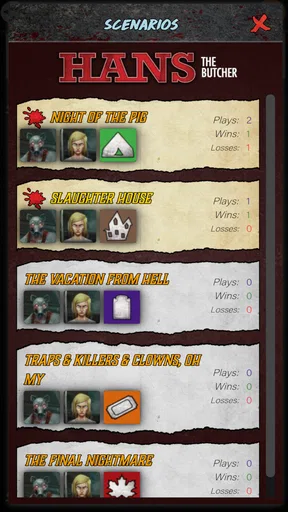
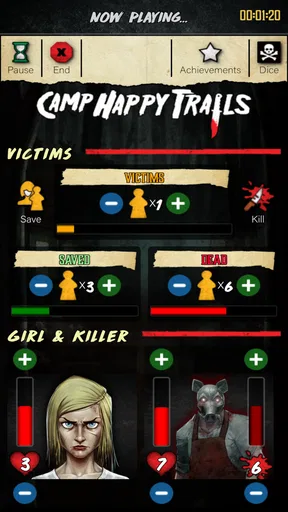
- Tracks scenarios, locations, items, and rules in one convenient place.
- Helps manage multiple Final Girl feature films and expansions.
- Reduces setup time by keeping game information easy to reference.
- Useful during solo sessions without needing to check the rulebook repeatedly.
- Compact digital format is easier to carry than printed player aids.
Limitations of Final Girl Companion
- Requires familiarity with the physical game to use it confidently.
- Some content may depend on the feature films and expansions you own.
- A phone screen can be awkward to consult during a tense game moment.
- May not replace the full rulebook for detailed rules and edge cases.
- Limited usefulness if you only play Final Girl occasionally.
Similar Picks in This Category
View All
Ludo King®
Gametion4.1

Ludo
Yarsa Games4.6

Tile Master® - Matching Game
Higgs Studio3.6

Checkers Online
CC Games4.6

Dominoes
Loop Games4.7

Chess
Chess Prince4.6
Frequently Asked Questions
What is Final Girl Companion, and what is it used for?
Final Girl Companion is a digital helper for the Final Girl solo board game system. It is designed to support gameplay by keeping track of useful information such as scenario details, characters, locations, and other game-related elements, depending on the version available. It does not replace the physical board game, rulebook, tokens, or cards, but can make setup and record-keeping more convenient during solo sessions.
Do I need the Final Girl board game to use this app?
Yes, you should generally own the physical Final Girl board game before downloading Final Girl Companion. The app is intended to complement the tabletop experience rather than function as a complete standalone game. You will still need the appropriate Final Girl core box, feature films, components, and rulebook to play properly. Check the app description and supported content before relying on it for a specific scenario or expansion.
Does Final Girl Companion include every Final Girl feature film and expansion?
Coverage can depend on the app version and the content supported by its developers. Some companion apps focus on selected feature films, villains, final girls, locations, or gameplay tools, while others may be updated over time to include additional releases. Before installing, review the current store listing and in-app menus to confirm that the films and expansions in your collection are available and supported.
Is Final Girl Companion suitable for new players?
It can be useful for beginners, especially when learning the game’s different characters, locations, and scenario combinations. However, it should not be treated as a replacement for reading the official rules. New players will get the most value by learning the basic turn structure and card effects first, then using the companion as a reference during play. Experienced players may appreciate it more for organization and faster setup.
Does Final Girl Companion work offline, and is it free to download?
Offline functionality and pricing depend on the specific release of Final Girl Companion and the platform where you download it. Basic reference information may be available without a constant internet connection, but updates, advertisements, analytics, or certain online features could require access to the internet. Check the Google Play Store or Apple App Store listing for the current price, permissions, subscription details, and offline limitations before installing.
Play our best games!


